Learning how to get hostel bookings without relying on Hostelworld or Booking.com is one of the highest-impact things an independent owner can do for the long-term health of the business. The big platforms are not the enemy and they are not going away, but they are not the only way travelers find a bed, and treating them as the only way is an expensive habit. This guide lays out every booking channel that exists outside the platforms and how to build each one, so that over time a real share of your bookings comes in commission-free.
Both Hostelworld and Booking.com take roughly 12 to 18 percent of every booking they send you. For a hostel doing steady volume that is a large, recurring sum flowing straight out of the business, month after month, year after year. Worse, the platforms own the guest relationship: you often do not learn who the guest is until they arrive, and you have no straightforward way to reach them again after they leave. Every booking that comes through a channel you control keeps both the commission and the relationship with you.
To be clear, this is not an argument to delist. The platforms provide genuine discovery that an independent hostel cannot replicate overnight, and most owners should keep using them. The problem is depending on them entirely. A hostel with no other channels is one algorithm change or commission increase away from a serious squeeze. The fix is to build alternatives patiently alongside the OTAs until you are using the platforms rather than being controlled by them.
The booking channels that exist outside the platforms
Most owners default to the OTAs because they are visible and easy, and then never develop anything else. But several proven channels bring bookings without paying commission on each one: your own direct website, your Google Business Profile, travel communities, group enquiries, selective use of alternative platforms, and walk-ins. None of them replaces platform discovery instantly, but together they steadily shift the balance of where your bookings come from. Think of them as a portfolio: the more channels you have working, the less any single one can hurt you.
Build a direct website booking channel
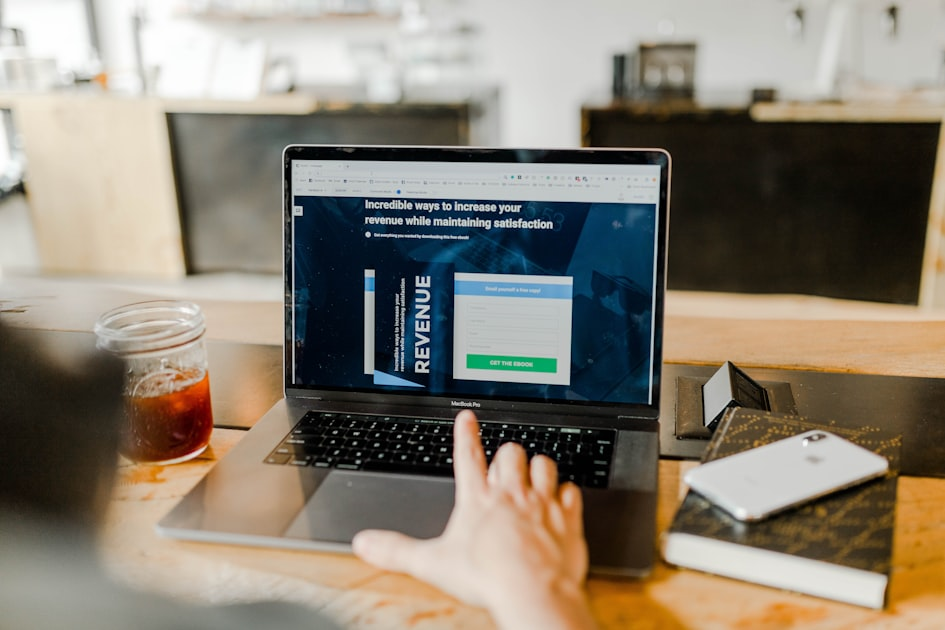
Your own website is the only channel where you keep 100 percent of the booking and own the guest data outright. It does not need to be elaborate. It needs clear photos, honest room descriptions, your real prices, and a simple booking path that works smoothly on a phone, since that is where most travelers will see it. Many small booking engines are inexpensive or even free at low volume and let guests reserve directly on your site instead of bouncing back to an OTA.
The key is giving travelers a concrete reason to book direct rather than through the platform where they first found you. A small perk that costs you little but reads as valuable does the job nicely: free late checkout, a welcome drink, free luggage storage, or a friendlier cancellation policy for direct bookings. You do not have to undercut the public OTA price, which can breach platform rules anyway. You simply make the direct option the better overall deal once someone is already on your site. For the full playbook on this channel, see how to get direct bookings for a small hostel.
Once the booking path works, capture the email of everyone who stays so you can bring them back without paying for them twice. A past guest who books you directly the second time is pure margin. A simple post-stay email keeps that door open, as covered in how to write a post-checkout email to hostel guests.
Use your Google Business Profile as a direct booking gateway
A free Google Business Profile puts your hostel on Google Search and Maps at the exact moment someone looks for places to stay in your area, and it can send them straight to your own website rather than to an OTA. Claim and verify it, fill in every field completely, add strong photos, keep your hours and contact details accurate, and link directly to your booking page rather than a generic homepage.
Reviews on Google work alongside your Hostelworld reviews to build trust, and they influence how high you appear in local map results. Encourage happy guests to leave a Google review using the same approach you use for Hostelworld, covered in how to get more reviews from your guests, and you convert free search traffic into commission-free bookings. To go further on ranking in your city, see how to get more hostel bookings from Google.
Tap travel communities as a booking channel
Backpackers and budget travelers gather in communities long before they book: destination groups on social platforms, travel forums, subreddits, and digital nomad networks. You cannot spam these spaces, and trying will get you removed, but you can become a genuinely useful presence in them. Answer questions about your city honestly, share local tips that have nothing to do with selling beds, and let people discover naturally that you happen to run a hostel there. Over time that goodwill sends direct enquiries that never touch an OTA.
The same logic applies to your own social channels. A small but engaged following of past guests and interested travelers is a direct line you control completely, and a single post about availability on a quiet week can fill beds with zero commission. The work here is slow and relationship-based rather than transactional, which is exactly why so few hostels do it, and why it pays off for the ones that do.
Court the group booking channel
Groups are one of the most valuable direct channels because they fill many beds at once and almost always arrive through enquiry rather than a platform. Sports teams, student trips, volunteer organisations, language schools, and groups of friends travelling together regularly need a block of beds and a real human to talk to. Make it obvious on your website and profiles that you welcome groups, give a clear contact point, and respond quickly when an enquiry lands.
One group booking handled well can be worth more than a week of single OTA reservations, and because it starts as a direct conversation, it pays no commission and builds a relationship that often repeats year after year. Treat group enquiries as a priority, not an interruption, and keep a simple note of the ones who return.
Use alternative platforms selectively
Hostelworld and Booking.com dominate, but they are not the only listing sites, and some niche or regional platforms charge lower commission or reach audiences the big two do not serve well. Listing on one or two carefully chosen alternatives spreads your discovery beyond the duopoly without much extra effort. The aim is not to be on every platform that exists, which only scatters your attention, but to diversify enough that no single channel controls your occupancy or sets your margins for you.
Optimise for walk-ins
Walk-ins are the original commission-free booking, and in the right location they still matter more than owners assume. A clear, welcoming sign, an obvious entrance, and visible availability information capture travelers who are already in your neighbourhood deciding where to stay tonight. Make sure anyone passing can tell at a glance that you have beds and how to get one, and train front-desk staff to convert an on-the-spot enquiry rather than sending someone away to check online, where they may book a competitor instead.
Track which channels are working
You cannot grow what you do not measure, so keep a simple record of where each booking came from: OTA, direct website, Google, group enquiry, community referral, or walk-in. Even a tally on a sheet at the desk reveals the picture within a month. That record tells you which channels deserve more attention and shows your commission-free share climbing, which is the number that actually matters for profitability.
Build these channels over time
You will not replace the platforms in a month, and you should not try. Pick one channel to develop first, usually your direct website and Google Business Profile since they compound and feed each other, and get it genuinely working before adding the next. Each channel you build is permanent infrastructure: once your site converts and your profile ranks, they keep producing commission-free bookings with little ongoing cost. Six months of patient channel-building is what separates a hostel that depends on the OTAs from one that merely uses them when it suits.
Frequently asked questions
Can a small hostel really get bookings without Hostelworld or Booking.com?
Yes, though it takes time. A direct website, a strong Google Business Profile, travel-community presence, group enquiries, and walk-ins can together carry a meaningful share of bookings. Most hostels keep the OTAs as well and simply reduce how much they depend on them.
How much commission do OTAs take?
Typically around 12 to 18 percent per booking. Every booking you move to a direct channel keeps that amount in the business, which compounds into a large sum across a full year.
How do I get guests to book direct instead of through the platform?
Give a clear reason: a small direct-only perk like free late checkout or a welcome drink, a friendlier cancellation policy, or a slightly better overall deal once they are on your own site. See how to get direct bookings for a hostel for specifics.
Which channel should I build first?
Start with your direct website and Google Business Profile. They compound over time, cost little, and reinforce each other, making them the strongest foundation for commission-free bookings.
Should I stop using the OTAs completely?
Usually not. They provide discovery you cannot replicate quickly. The goal is to build alternatives alongside them so you are no longer dependent on a single source of guests.
You do not have to choose between the platforms and going it alone. Keep using Hostelworld and Booking.com for discovery, but build your direct website, your Google profile, your community presence, and your group and walk-in channels alongside them. Do that patiently, track where your bookings come from, and a growing share will arrive commission-free, with the guest relationship firmly in your hands.