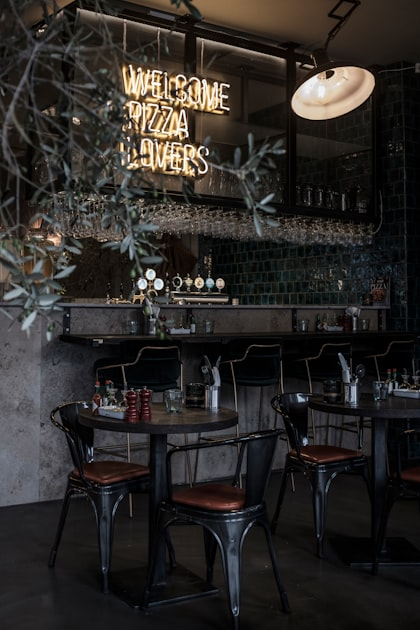
Every restaurant owner knows the feeling: a Tuesday with four tables when there should be ten, a Sunday lunch that empties by one, a week that starts slow and never finds its pace. The instinct is to blame the things you cannot control, the weather, the economy, the new place down the street. But if you are asking why is my restaurant so slow, the more useful answer is that slowness almost always traces back to a handful of specific, fixable problems, and most of the fixes cost nothing but attention.
This guide walks through the real reasons restaurants go quiet, visibility, return rate, promotions, timing, menu, and online presence, and the free fix for each. At the end is the single thread that connects them all.
The visibility problem: people who would come in do not know you exist
The most common reason for a slow restaurant is simply that not enough of the right people know it is there. You can serve excellent food to an empty room if the people nearby searching for somewhere to eat never see you. The free fix is to claim and fully optimise your Google Business Profile so you appear when locals search, which is the foundation of showing up higher on Google Maps. Visibility where people are already looking beats any amount of effort spent on channels they are not.
The return rate problem: customers come once and do not come back
A restaurant can have a steady trickle of first-timers and still be slow if almost none of them return. New customers are expensive to attract; repeat customers are nearly free and far more profitable. If your room is quiet, ask honestly how many faces you recognise. The free fix is to build retention deliberately, remember regulars, stay in contact, and give people a reason to return, all covered in how to get repeat customers without a loyalty app.
The promotion problem: your offers are not generating traffic
Many owners do run promotions, and they still fall flat, because the offer is vague, poorly targeted, or never reaches anyone. A discount nobody hears about changes nothing. The free fix is to promote to people who already like you: an email list of past customers you can reach instantly and for free. Building one is simpler than it sounds, even with no website, as shown in how to build a restaurant email list. An offer sent to a warm list fills a slow night in a way a sign in the window never will.
The timing problem: you are slow at predictable times and doing nothing about it
Slowness is rarely random. Most restaurants are quiet at the same predictable times, certain weekday evenings, the mid-afternoon lull, a particular season. The mistake is treating those dips as inevitable rather than as the exact moments to act. The free fix is to plan for them: a targeted email or a small standing offer aimed precisely at your known slow window. When you know Tuesday is dead, Tuesday becomes the problem you solve on purpose, not the night you dread.
The menu problem: what you offer is not matching what people want right now
Sometimes the room is quiet because the menu has drifted from what your customers actually want, too static, mismatched to the season, or unclear about what you do best. Tastes and seasons change, and a menu that worked two years ago can quietly stop pulling. The free fix is to pay attention to what sells and what does not, refresh seasonally, and make your standout dishes obvious. You do not need new equipment, just a menu that reflects what people want to eat from you now.
The online presence problem: how you appear digitally does not match the reality
A traveler or local deciding where to eat judges you online before they ever walk in. Outdated hours, thin or negative reviews, no photos, or a profile that looks neglected all send people elsewhere, even when the restaurant itself is great. The free fix is to make your digital presence match the real experience: accurate information, good photos, and a steady stream of recent reviews. Asking happy customers for reviews is a simple habit, covered in how to ask customers for Google reviews, and responding well to the occasional bad one is covered in how to respond to a bad review.
The one thing that connects all of these fixes
Look across every fix and the same thread runs through them: a direct, owned relationship with your customers. Visibility gets them in, but reviews, an email list, retention, and a presence that reflects reality are all ways of staying connected to the people who already chose you. Restaurants that struggle treat each visit as a one-off. Restaurants that stay busy treat each visit as the start of a relationship they can reach again, for free, whenever the room is quiet.
Frequently asked questions
Why is my restaurant suddenly slow?
Usually one or more of: low visibility, customers not returning, promotions that do not reach anyone, predictable slow periods left unaddressed, a drifting menu, or a weak online presence. Each has a free fix, starting with your Google profile and an email list.
How do I fix a slow restaurant without spending money?
Optimise your Google Business Profile, build and use an email list of past customers, ask for reviews, target your known slow nights with offers, and refresh your menu. All are free and address the real causes.
Is a slow restaurant always a marketing problem?
Not always, but usually the controllable part is. Weather and economy aside, most persistent slowness comes from visibility and retention gaps you can fix without budget.
What should I fix first?
Start with visibility and retention: a complete Google Business Profile so people find you, and an email list so the ones who visit come back. Those two move the needle fastest.
If your restaurant is slow, resist blaming the weather and look at the controllable causes: visibility, return rate, promotions, timing, menu, and online presence. Fix them with free tools, a strong Google profile, an email list, a habit of asking for reviews, and you turn quiet nights from something you endure into something you solve.